

Millions of low income families across the United States can access free food through government programs, food banks, churches, and nonprofit organizations. Whether you need emergency food assistance, ongoing grocery support, or free meal programs, there are hundreds of resources available in every state to help you and your family eat well without financial stress.
Programs like SNAP (food stamps), WIC, school meal programs, food banks, and community pantries provide free food to families, seniors, children, and individuals who meet income guidelines. Many programs have no paperwork requirements and serve anyone who shows up.
Table of Contents
SNAP Food Stamps (EBT Benefits)
The Supplemental Nutrition Assistance Program (SNAP), commonly known as food stamps, is the largest federal nutrition program. SNAP provides monthly benefits on an Electronic Benefits Transfer (EBT) card that works like a debit card at grocery stores, farmers markets, and many online retailers.
SNAP Eligibility Requirements
To qualify for SNAP benefits, your household must meet income limits based on the Federal Poverty Level. Most households must have gross monthly income at or below 130% of the poverty line and net monthly income at or below 100% of the poverty line.
SNAP Income Limits
- 1 person: $1,580/month gross income
- 2 people: $2,137/month gross income
- 3 people: $2,694/month gross income
- 4 people: $3,250/month gross income
- Each additional person: Add $557/month
How to Apply for SNAP
Apply for SNAP benefits through your state's Department of Social Services, Human Services, or equivalent agency. You can typically apply online, by phone, by mail, or in person at your local office. You will need proof of identity, income, and expenses.
Most states process SNAP applications within 30 days. If you have an emergency need, you may qualify for expedited benefits within 7 days. Once approved, benefits are loaded monthly onto your EBT card.
Food Banks Near You
Food banks operate in every county across America, distributing free groceries to families and individuals regardless of income documentation. The Feeding America network alone includes over 200 food banks and 60,000 food pantries and meal programs nationwide.
How Food Banks Work
Food banks collect donated and purchased food from manufacturers, retailers, farmers, and individuals. They distribute this food through a network of local pantries, soup kitchens, shelters, and community programs. Most food pantries allow visits on a regular schedule, often weekly or monthly.
What You Get at a Food Bank
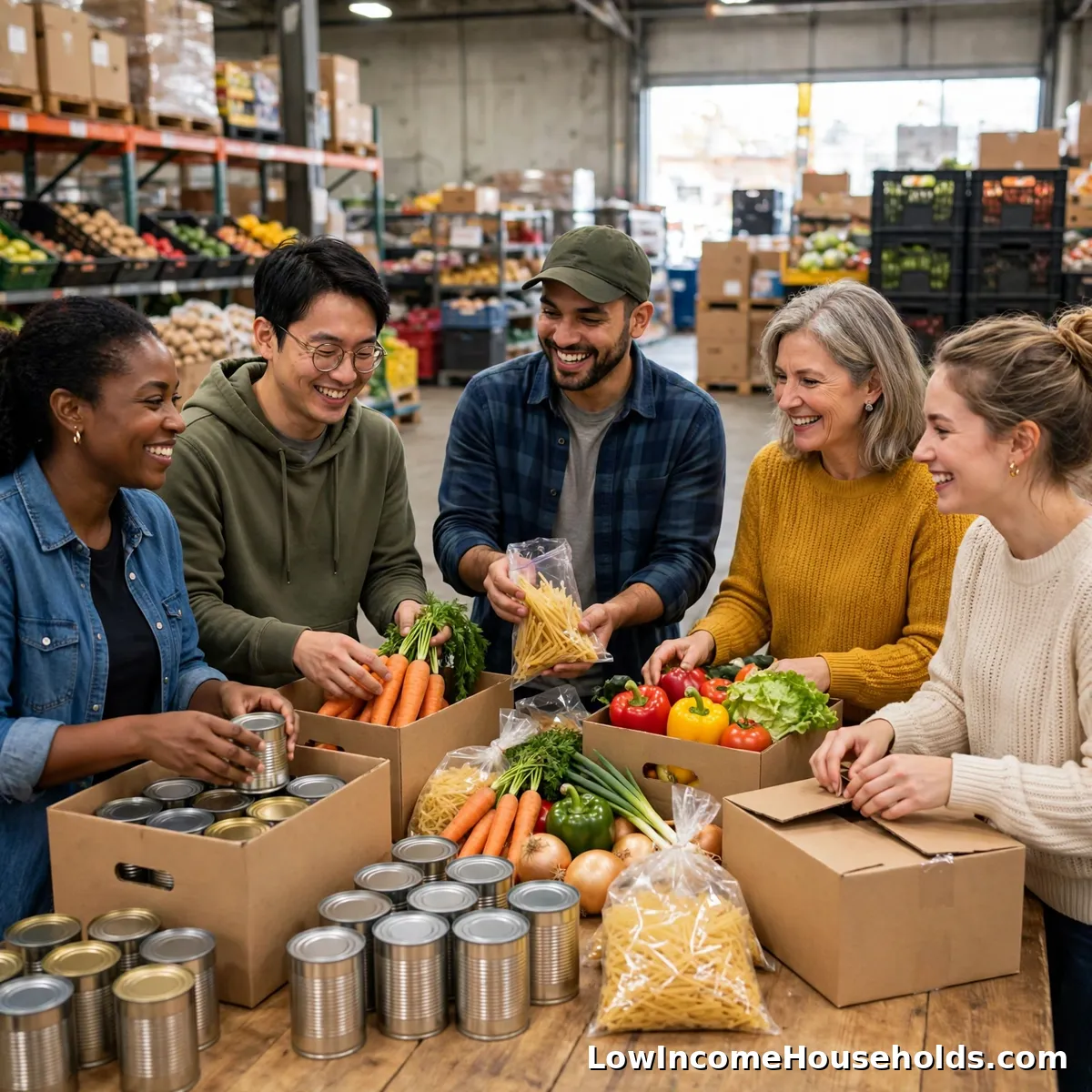
Food bank distributions typically include canned goods, fresh produce, bread and bakery items, dairy products, meat and protein, cereals, pasta, rice, and sometimes personal hygiene items. Many food banks now offer choice pantries where you select the items you want.
How to Find a Food Bank
Visit FeedingAmerica.org and enter your ZIP code to find food banks, pantries, and meal programs near you. You can also call 211 (United Way) for local food assistance referrals. Most food banks do not require proof of income or identification.
WIC Program for Women, Infants, and Children
The Special Supplemental Nutrition Program for Women, Infants, and Children (WIC) provides free healthy food, nutrition education, and healthcare referrals to low income pregnant women, new mothers, infants, and children up to age 5.
WIC Benefits Include
- Infant formula and baby food - Free formula, cereals, fruits, vegetables, and meats for babies
- Milk, cheese, and yogurt - Dairy products for mothers and children
- Fruits and vegetables - Fresh, frozen, or canned produce
- Whole grains - Bread, tortillas, brown rice, oatmeal
- Eggs, beans, and peanut butter - Protein sources
- Juice - 100% fruit or vegetable juice
- Breastfeeding support - Counseling, breast pumps, and enhanced food packages
Free School Meals for Children
The National School Lunch Program (NSLP) and School Breakfast Program provide free and reduced-price meals to millions of children at participating schools across the country. Many school districts now offer universal free meals to all students regardless of family income.
Children from families with incomes at or below 130% of the poverty level qualify for free meals. Those between 130% and 185% qualify for reduced-price meals (no more than 40 cents for lunch and 30 cents for breakfast). Summer meal programs continue free meals for children during school breaks.
Free Food for Seniors
Senior citizens aged 60 and older have access to several free food programs designed specifically for seniors. These programs help ensure seniors maintain proper nutrition even on fixed incomes.
Meals on Wheels
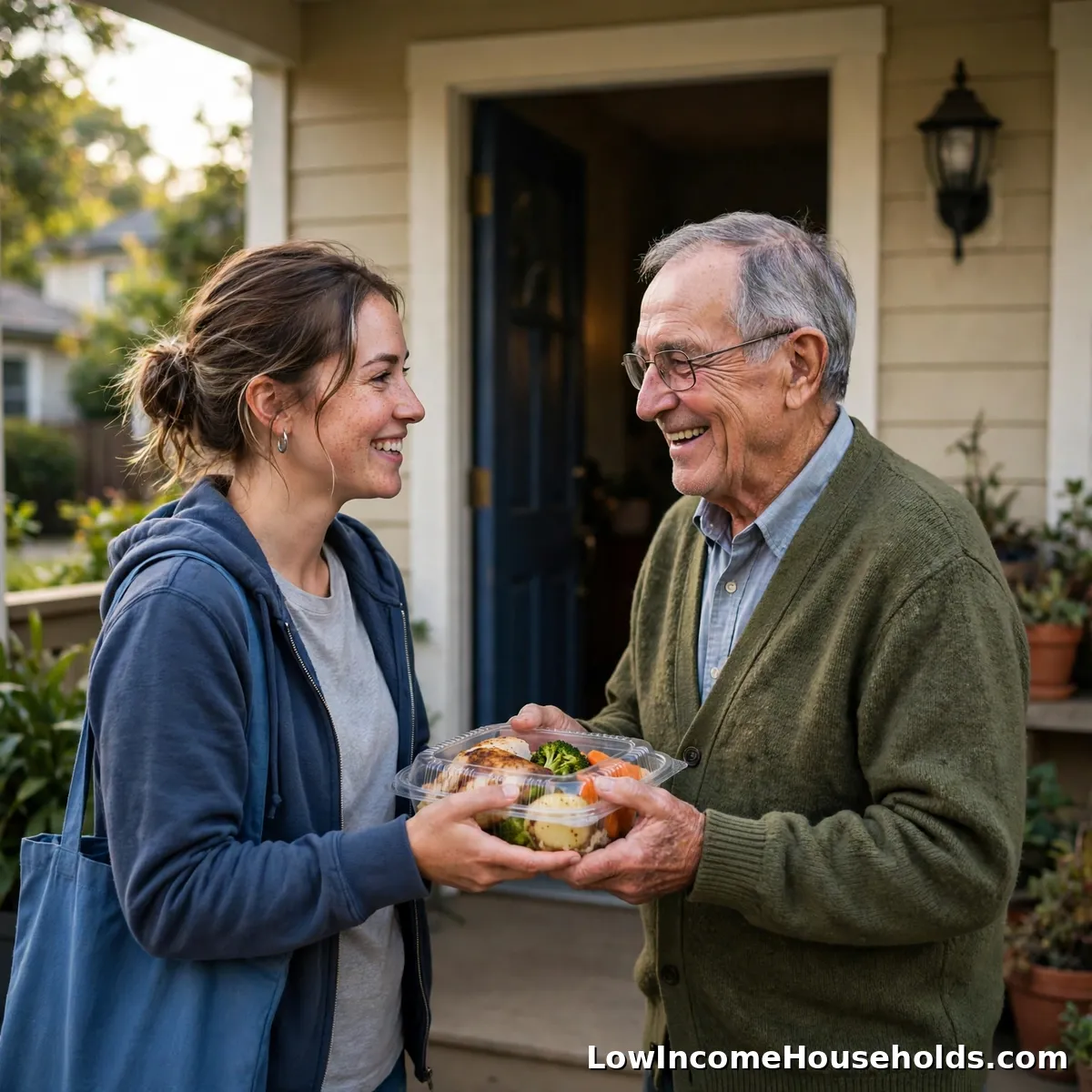
Meals on Wheels delivers free or low-cost nutritious meals directly to homebound seniors. The program operates in virtually every community and provides both hot delivered meals and frozen meals. Many Meals on Wheels programs also offer wellness checks and social connection.
Commodity Supplemental Food Program (CSFP)
CSFP provides monthly food packages of nutritious USDA commodities to low income seniors aged 60 and older. Packages typically include canned fruits and vegetables, juice, milk, cheese, cereal, pasta, rice, peanut butter, and canned meat or poultry.
Senior Farmers Market Nutrition Program
This program provides coupons for fresh fruits, vegetables, herbs, and honey at farmers markets, roadside stands, and community-supported agriculture programs. Eligible seniors receive coupons valued between $20-$50 per season.
Churches That Give Free Food
Thousands of churches across America operate food pantries, soup kitchens, and food distribution programs. Church food assistance is typically available to anyone in need regardless of religious affiliation, membership, or documentation status.
Major church organizations providing food assistance include the Salvation Army, Catholic Charities, St. Vincent de Paul, Lutheran Services, and local community churches. Many churches hold weekly food distributions, holiday meal drives, and backpack programs for children.
Free Grocery Delivery Programs
Several programs now offer free grocery delivery for low income families, seniors, and individuals with mobility challenges. Many food banks have expanded to include home delivery options, and grocery retailers offer free delivery with EBT/SNAP payment.
Amazon, Walmart, and Instacart accept SNAP/EBT for online grocery orders and may offer free or reduced-cost delivery for EBT customers. Some states have pilot programs allowing SNAP benefits to be used for online grocery shopping with free delivery included.
Emergency Food Assistance
If you need food immediately, several options provide same-day assistance. Call 211 to find emergency food resources near you. Visit a local food pantry or soup kitchen, which typically serves walk-ins. The Emergency Food Assistance Program (TEFAP) provides emergency food to individuals and families through local agencies.
Many community action agencies provide emergency food boxes with a few days' worth of meals. Food rescue organizations collect surplus food from restaurants and grocery stores and distribute it to community organizations the same day.
How to Apply for Free Food Programs
Quick Steps
- SNAP: Apply through your state's social services website or office
- WIC: Contact your local WIC clinic or health department
- Food Banks: Visit FeedingAmerica.org or call 211
- School Meals: Apply through your child's school
- Meals on Wheels: Call 1-888-998-6325 or visit MealsOnWheelsAmerica.org
- Church Pantries: Call local churches or visit during distribution hours
Frequently Asked Questions
Visit FeedingAmerica.org and enter your ZIP code to find food banks, pantries, and meal programs near you. You can also call 211 for local food assistance referrals. Most food banks serve walk-ins without requiring documentation or proof of income.
Eligibility varies by program. SNAP requires income below 130% of the poverty level. Food banks typically serve anyone who shows up. WIC is for pregnant women, new mothers, and children under 5 with income below 185% of the poverty level.
Yes, many food banks now offer home delivery. Amazon, Walmart, and Instacart accept SNAP/EBT for online grocery orders. Meals on Wheels delivers free meals to homebound seniors. Contact local food assistance programs to ask about delivery options.
SNAP benefit amounts vary based on household size and income. The maximum monthly benefit ranges from about $291 for one person to $1,751 for a household of eight. Most households receive less than the maximum based on their calculated need.