Browse our most popular categories to find free benefits, programs, and resources available to low income households across the United States.
Thousands of Americans apply for these programs every day. Learn how to get free phones, tablets, food, housing, and more through federal and state government programs.

Learn how to qualify for a free government phone through the Lifeline program. Over 7 million Americans receive free cell phone service and a smartphone at no cost.

If you have an EBT card, you may qualify for a free or heavily discounted tablet through government-supported wireless providers like Assurance Wireless and QLink.

Find out how to get free gas cards and fuel assistance through government programs, nonprofits, churches, and community organizations near you.

Learn how to get free food and groceries delivered to your door using EBT, SNAP benefits, food banks, and community programs in your state.

Multiple nonprofits and charities give away free cars to low income families, single mothers, veterans, and disabled individuals. Here is how to apply.

Complete guide to finding affordable housing, Section 8 vouchers, housing grants for single mothers, and low income apartments with no waiting list.
Different assistance programs target specific groups. Select your situation below to find all the free programs, benefits, and resources available to you.
The Lifeline program and Affordable Connectivity Program help millions of low income Americans get free smartphones, tablets, and laptops. Compare providers and learn how to apply below.

Several Lifeline providers now offer free iPhones to qualifying low income individuals. Learn which providers offer iPhones and how to apply through Cintex Wireless, NewPhone Wireless, and Verizon programs.

Get a free 5G smartphone through government programs. Compare the top Lifeline providers offering 5G devices with unlimited data, talk, and text for qualifying households.

Medicaid recipients qualify for free tablets through multiple wireless providers. Discover which companies offer the best tablets and how your Medicaid enrollment gets you approved instantly.
These charts show enrollment numbers and spending breakdowns for the largest federal assistance programs that help low income families across the United States.
Getting approved for government benefits is easier than you think. Follow these three simple steps to start receiving free programs and assistance today.
Most programs require your household income to be at or below 135-200% of the Federal Poverty Guidelines, or enrollment in programs like SNAP, Medicaid, or SSI.
Browse our state-by-state guides to find all federal and state programs available in your area. Many states offer additional benefits beyond the federal programs.
Most programs accept applications online, by phone, or at local offices. We provide direct links to every application, program hotline, and local office near you.
Millions of low income Americans skip necessary medical and dental care because they think they cannot afford it. These guides show you how to get free or affordable healthcare.
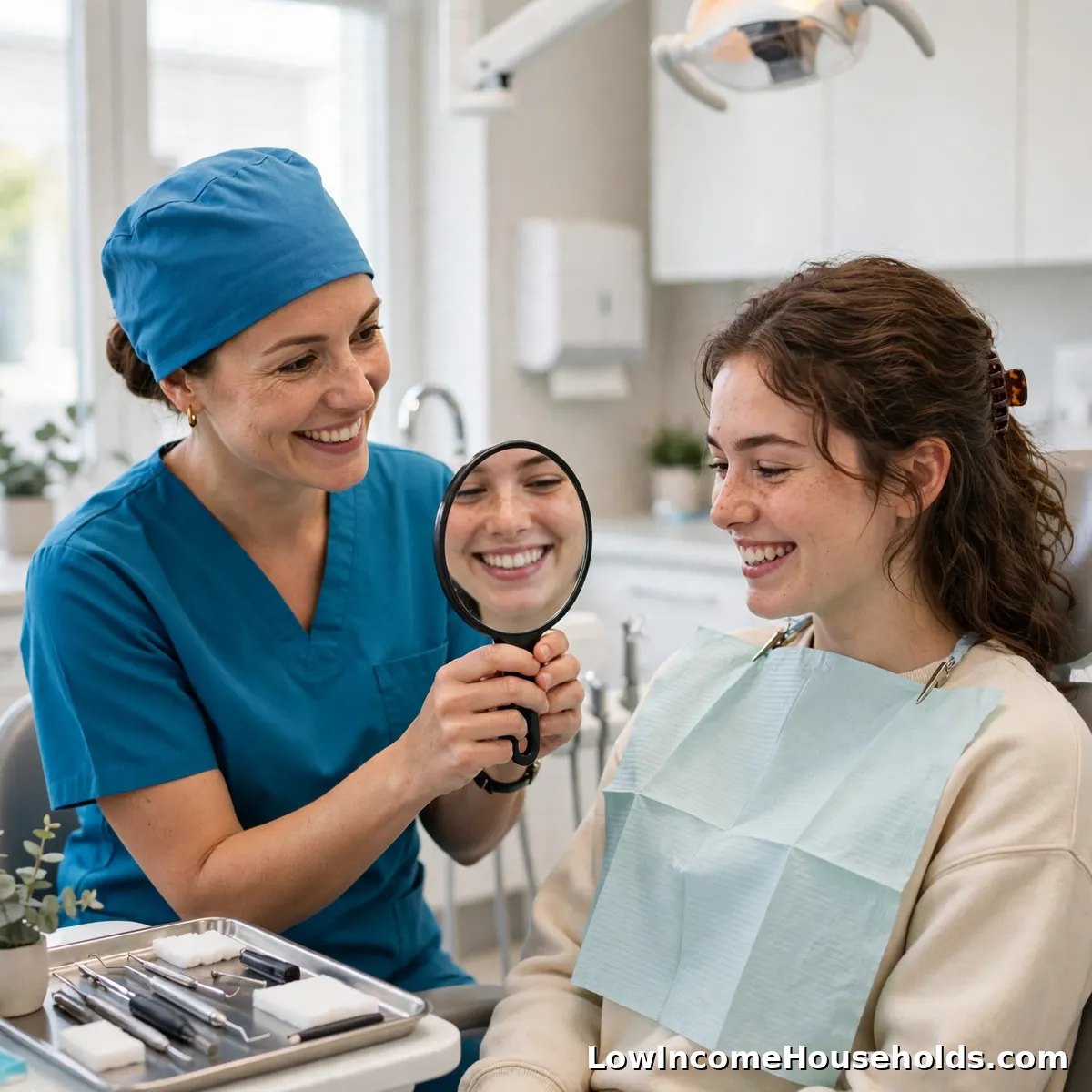
Find free dental clinics, Medicaid dentists, dental schools offering discounted care, and nonprofit organizations that provide free dental work for low income individuals and seniors.
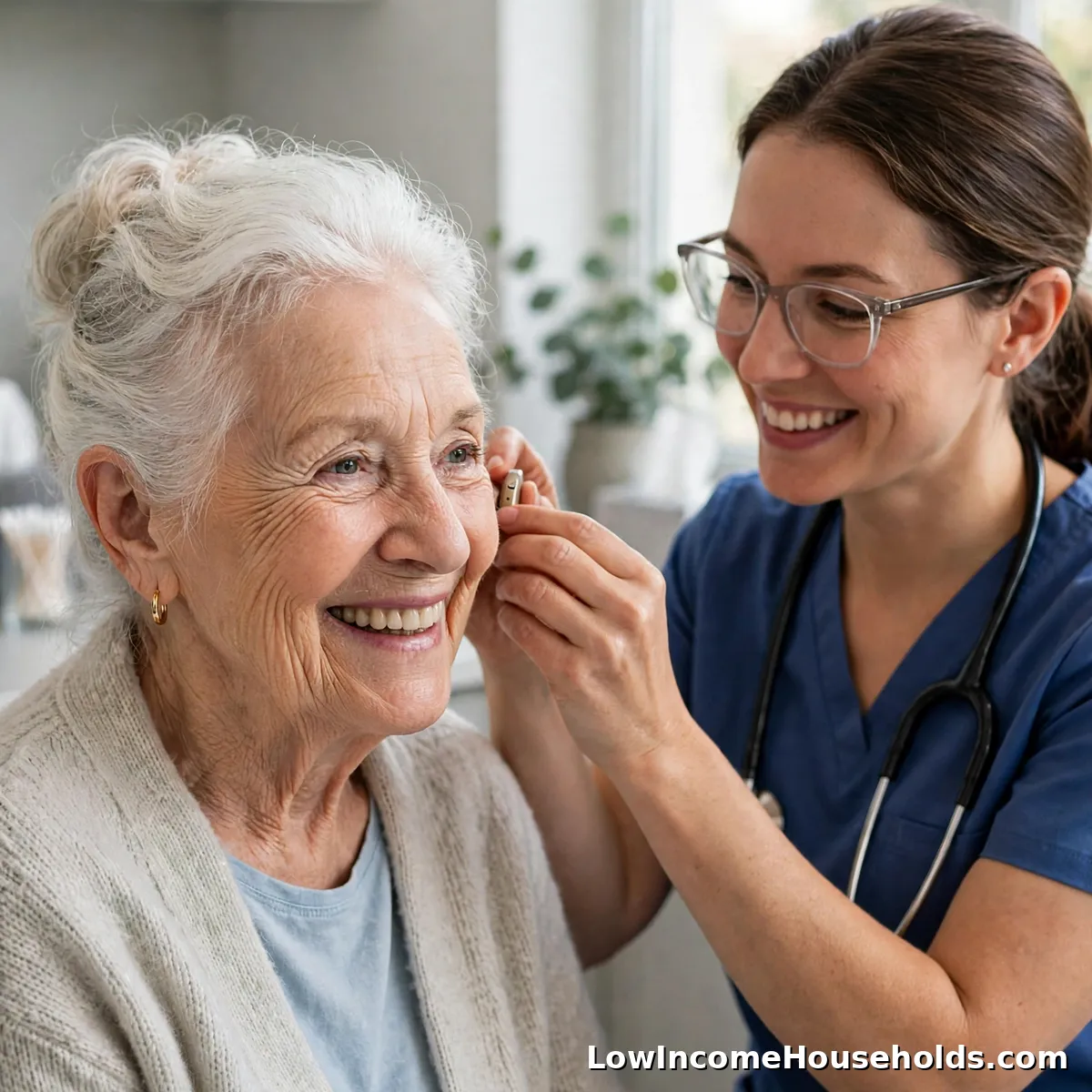
Seniors can get free or low-cost hearing aids through Medicaid, VA benefits, Starkey Hearing Foundation, Lions Club, and state-specific senior assistance programs.
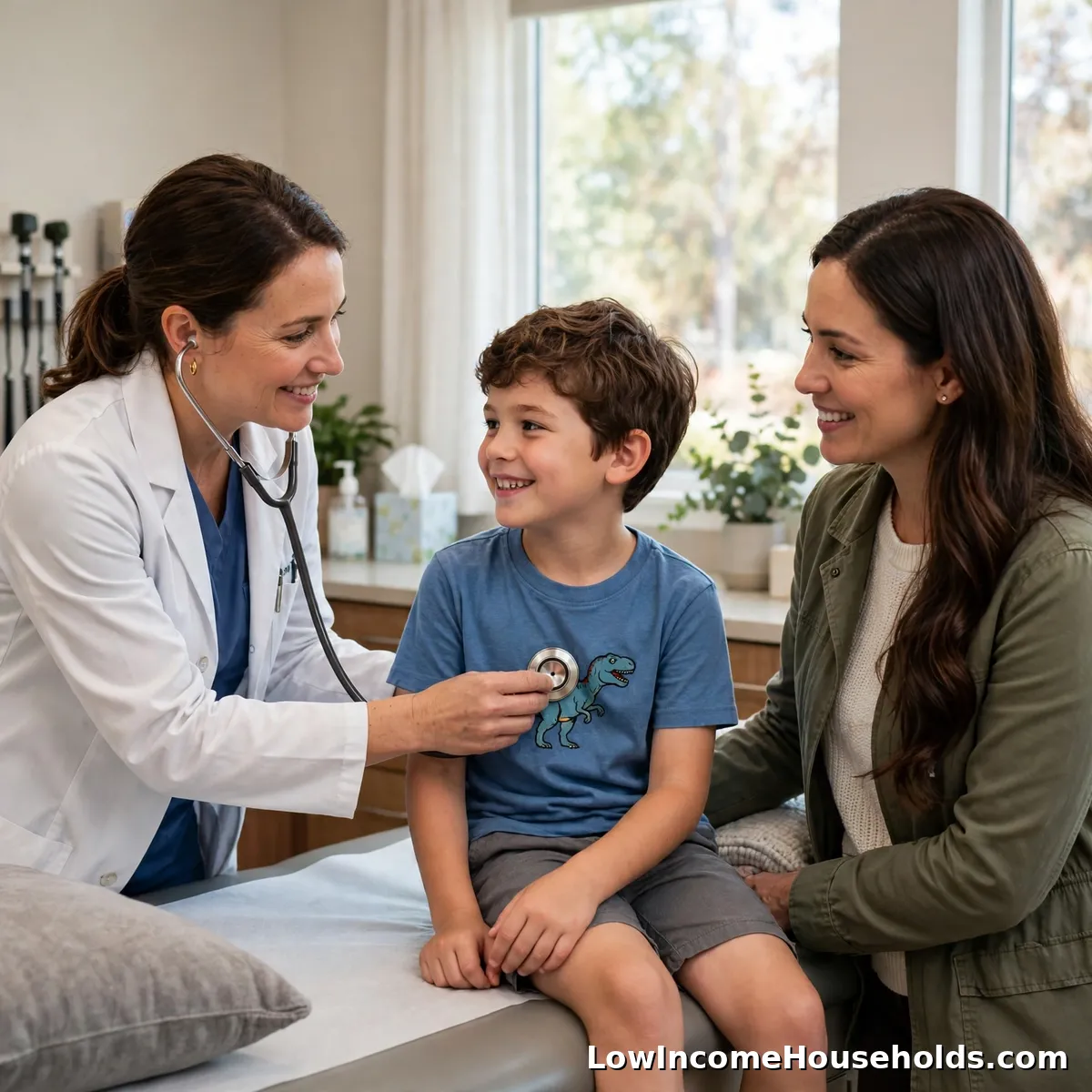
Comprehensive guide to free healthcare options including Medicaid, community health centers, free clinics, prescription assistance, and hospital charity care programs.
Over 40% of eligible Americans never apply for the government benefits they qualify for. Don't leave free money, food, housing, and healthcare on the table.
Explore All Free Programs ➜Whether you need help paying rent, finding affordable housing, or applying for government grants, these comprehensive guides walk you through every option available.

Single mothers can apply for Section 8 vouchers, HUD housing programs, Habitat for Humanity, and state-specific grants for down payments and rent assistance.

Explore federal and state grants for individuals including Pell Grants, TANF, emergency assistance, business grants, and hardship grants for bills and personal use.

Many churches and faith-based organizations provide emergency rent assistance, utility payments, food, clothing, and other essentials to families in need regardless of religious affiliation.
The U.S. government offers dozens of programs designed to help low income households with food, healthcare, housing, phone service, education, and more. Here is a quick overview of the largest programs.
| Program | What It Provides | Who Qualifies | How to Apply |
|---|---|---|---|
| SNAP (Food Stamps) | Monthly EBT card for groceries | Income at/below 130% FPG | State SNAP office or online |
| Medicaid | Free healthcare coverage | Income at/below 138% FPG | HealthCare.gov or state office |
| Lifeline | Free phone + monthly service | Income at/below 135% FPG | Through approved providers |
| Section 8 | Housing choice vouchers | Income at/below 50% AMI | Local Public Housing Authority |
| LIHEAP | Utility bill assistance | Income at/below 150% FPG | State energy assistance office |
| WIC | Nutrition for women & children | Pregnant/postpartum, children under 5 | Local WIC clinic |
| Pell Grant | Up to $7,395 for college | Low income undergraduates | FAFSA application |
Every state offers unique programs and benefits beyond the federal level. Select your state to find all free programs, benefits, and resources available in your area.
Get quick answers to the most common questions about free government programs, eligibility requirements, and how to apply for benefits.
You qualify for a free government phone through the Lifeline program if your household income is at or below 135% of the Federal Poverty Guidelines, or if you participate in qualifying programs like SNAP (food stamps), Medicaid, SSI, Federal Public Housing Assistance, or Veterans Pension and Survivors Benefit. Only one Lifeline benefit is allowed per household. You can apply online through an approved provider or at a local enrollment event. Most applicants receive their free phone within 7-10 business days after approval.
Yes, several wireless providers offer free or heavily discounted tablets to individuals enrolled in EBT (SNAP) or Medicaid. Providers like Assurance Wireless, QLink Wireless, TruConnect, and Excess Telecom participate in the Affordable Connectivity Program and Lifeline to provide free tablets with a small co-pay (usually $10-$50). To qualify, you simply need to show proof of enrollment in an eligible government program. Some providers like T-Mobile and Boost Mobile also offer free tablets when you sign up for their low-income plans.
The main government programs for free food include SNAP (formerly food stamps, providing monthly EBT benefits), WIC (for pregnant women and children under 5), the National School Lunch Program (free meals for qualifying students), TEFAP (The Emergency Food Assistance Program, providing food through local food banks), Meals on Wheels (home-delivered meals for seniors), the Commodity Supplemental Food Program for seniors, and the Summer Food Service Program for children. Additionally, thousands of local food banks, churches, and community organizations provide free food regardless of income.
Finding low income housing with no waiting list requires applying to multiple programs simultaneously. Check HUD's resource locator for your state, contact local housing authorities directly about open Section 8 waitlists, look for USDA Rural Development housing in less populated areas, search for privately-owned Low Income Housing Tax Credit (LIHTC) properties that often have shorter wait times, and apply to multiple locations. Some cities also have rapid rehousing programs for people experiencing homelessness. Our state-by-state guides list specific complexes and programs with shorter wait times.
Seniors over 65 can access numerous assistance programs including Medicare (healthcare), Medicaid (additional healthcare for low income), SSI (Supplemental Security Income), SNAP (food stamps), Lifeline (free phone), LIHEAP (utility assistance), Meals on Wheels (home-delivered meals), Section 8 (housing vouchers), free dental through state Medicaid programs, free hearing aids through various programs, the Senior Community Service Employment Program, senior centers offering free activities and meals, property tax exemptions, and many state-specific senior assistance programs. Many of these programs have higher income limits for seniors.
Yes, free gas cards and transportation assistance are available through multiple sources. Government programs include Medicaid non-emergency medical transportation (NEMT), TANF transportation assistance, and state vocational rehabilitation transportation. Nonprofit sources include the Salvation Army, Catholic Charities, St. Vincent de Paul, local community action agencies, and 211 services. Churches and faith-based organizations also frequently provide gas cards and emergency transportation help. Some states offer free bus passes to low income individuals and seniors.
Several nonprofits and charities provide free cars to low income families, single mothers, veterans, and disabled individuals. Organizations like Working Cars for Working People, 1-800-Charity Cars, Good News Garage, and Vehicles for Change accept donated vehicles and give them to qualifying families. Eligibility usually requires proof of employment or job offer, valid driver's license, proof of insurance capability, and demonstrated financial need. Many local churches and community organizations also run vehicle donation programs.
Yes, free laptops are available through programs like PCs for People, EveryoneOn, Human-I-T, and Computers for Learning. Many schools and libraries also distribute refurbished computers to qualifying students and families. Free iPads and tablets can be obtained through Lifeline wireless providers like Assurance Wireless and QLink Wireless when you qualify through SNAP, Medicaid, or SSI. The Lifeline program and several nonprofit organizations help bridge the digital divide for low income households.
Free dental care is available through community health centers, dental schools, free clinics, and Medicaid dental programs. Dental schools offer significantly discounted procedures performed by supervised students. Organizations like Dental Lifeline Network, Remote Area Medical, and Mission of Mercy provide free dental care events. Many states cover dental services for individuals services through Medicaid, including cleanings, fillings, extractions, and dentures. Seniors can access additional dental programs through Medicare Advantage plans and senior-specific nonprofits.
SNAP (Supplemental Nutrition Assistance Program), commonly called food stamps, provides monthly grocery benefits on an EBT card to over 42 million Americans. You qualify if your gross income is at or below 130% of the Federal Poverty Level. Apply through your state's social services website or local office. Benefits range from $291 per month for one person to $1,751 for a family of eight. SNAP recipients also automatically qualify for free government phones, free tablets, and free internet service.
Free hearing aids for seniors are available through several programs. Medicaid covers hearing aids in many states, and Medicare Advantage plans often include hearing benefits. Organizations like the Starkey Hearing Foundation, Lions Club International, and Sertoma provide free hearing aids to qualifying individuals. The VA provides free hearing aids to eligible veterans. Some state vocational rehabilitation programs also cover hearing aids for working-age individuals. Over-the-counter hearing aids are now available at lower prices as well.